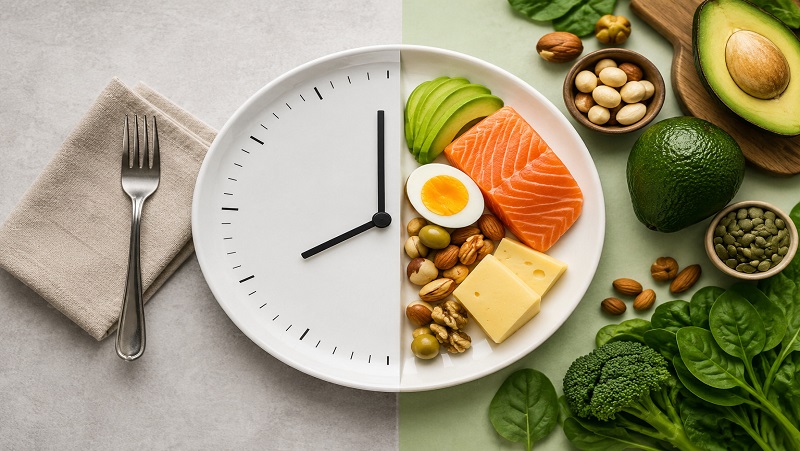

So, you’ve heard about the keto diet? It’s everywhere these days — and for good reason. This diet isn’t just a fad or another diet floating on the Internet. It is a strategic weight loss approach that helps your body burn fat instead of carbs. By shifting your body’s primary fuel source from carbs to fat, this low-carb, high-fat diet helps in effective weight loss management while keeping hunger at bay.
But switching from carbs to fats is not as easy as it sounds; the transition may feel overwhelming. Suddenly replacing bread, rice, and sugary snacks with fatty meats, avocados, and veggies is tough. Plus, it’s easy to run out of meal ideas, which leads to boredom and frustration. Imagine eating the same salad three days in a row? Or boiled eggs for dinner every single day? No fun, right?
To stay sorted and prepared, it is important to have a keto grocery list handy – it will help you decide what to eat and what to avoid. Plus, you’ll never run out of options!
However, if you want to create a sustainable plan, get a Keto diet consultation from a certified physician. They’ll help you create a meal plan that fits your life, avoid burnout, and keep you on track – without making mistakes.
What’s the Keto Diet?
Think of keto as flipping a switch in your body. Normally, you run on carbs (like bread, rice, or sugar). On a ketogenic diet, you slash carbs (down to 20–50 grams a day) and load up on fats. This shift puts you in ketosis, where your body burns fat for fuel.
Bonus: Many people feel more focused and less hungry when following a ketogenic weight loss plan!
Why Keto Helps You Lose Weight
- It Turns Your Body into a Fat-Burning Machine: When carbs are not available for energy, your body taps into stored fat for fuel, helping you lose stubborn belly fat.
- Reduces Appetite: High-fat, moderate-protein meals keep you fuller longer, minimizing cravings.
- Lowers Insulin Levels: Cutting carbs stabilizes blood sugar, reducing fat-storage hormones.
To maximize these benefits, however, it is important to make the right food choices. You must switch to consultant-approved keto diet foods and avoid sneaky carb traps. Here’s what you need to pack your pantry with.
Keto Grocery List: Keep It Simple
When on this diet, prioritize eating:
- Proteins: Fatty meats (beef, salmon, chicken thighs), eggs, and bacon (yes, bacon!).
- Fats: Avocados, olive oil, butter, cheese, and nuts (almonds, macadamias).
- Veggies: Leafy greens, broccoli, zucchini—anything that grows above ground.
- Drinks: Water, herbal tea, black coffee.
However, you must avoid:
- Carbs: Bread, pasta, rice, cereal, and anything sugary.
- Starchy Veggies: Potatoes, corn, peas.
- Processed Stuff: Chips, crackers, “low-fat” foods (usually packed with sugar).
Keto Diet Meal Plan: A Sample 3-Day Diet to Help You Stay on Track
Day 1
- Breakfast: Scrambled eggs + spinach + half an avocado.
- Lunch: Grilled chicken salad with olive oil + lemon.
- Dinner: Salmon + roasted asparagus + mashed cauliflower.
- Snack: A few macadamia nuts.
Day 2
- Breakfast: Keto smoothie (unsweetened almond milk + chia seeds + spinach).
- Lunch: Beef lettuce wraps with guacamole (trust me, it’s good).
- Dinner: Zoodles (zucchini noodles) with Alfredo sauce + shrimp.
- Snack: Cheese cubes (because cheese is life).
Day 3
- Breakfast: Full-fat yogurt + raspberries + crushed walnuts.
- Lunch: Turkey + cheese roll-ups with cucumber slices.
- Dinner: Pork chops + garlic butter kale.
- Snack: Hard-boiled eggs (peel ’em ahead for easy snacking).
Things to Keep in Mind While on a Ketogenic Diet
A ketogenic diet plan is not an ordinary diet plan. Even a small accidental carb slip-up can kick you out of keto. So, keep track of your macros and watch what you eat. Here’s what you need to watch out for:
- Always check labels for hidden carbs in packaged foods (yes, even ketchup or salad dressings!).
- Focus on eating whole, unprocessed keto diet foods like meats, fish, eggs, and leafy greens.
- Drink plenty of water and add salt or electrolyte supplements to avoid headaches or fatigue during the first few weeks.
- Track your meals daily (use apps) to stay under 20–50 grams of net carbs.
If you’re struggling, a Keto doctor or keto consultant can create a foolproof plan tailored to your lifestyle. Remember: keto isn’t just about cutting carbs—it’s about retraining your body to thrive on fats. Stay patient, stay prepared, and don’t let one mistake derail your goals!
Why Work With a Keto Pro?
A keto-savvy doctor or consultant can:
- Customize your plan (no one-size-fits-all here!).
- Check your health stats (cholesterol, blood sugar) to keep you safe.
- Help you tackle side effects like “keto flu” (fatigue, brain fog).
Super helpful if you have diabetes, thyroid issues, or just feel stuck.
Final Tips
- Prep Meals: Cook a big batch of cauliflower rice or hard-boiled eggs for the week so that you don’t end up giving in to your carb cravings.
- Stay Patient: It takes 2-4 weeks to adapt so don’t quit if the scale refuses to move. It will, just be patient.
- Keep It Fun: Try new recipes (keto pizza with almond flour crust and there are many more). Keep learning, keep trying.
Ready to Start?
Grab that grocery list, clear out the carbs, and take it one day at a time. And hey, if you mess up, just jump back in. For extra help, a keto doctor can make all the difference.
P.S. Always consult your doctor before starting keto, especially if you have health issues.