
Key Takeaways
- Weight loss after 40 can be affected by changes in muscle mass, activity levels, sleep, stress, and menopause.
- Focus on protein, fiber-rich foods, portion awareness, and regular physical activity rather than extreme diets.
- Include strength training to help preserve muscle while losing weight.
- Walking and other enjoyable forms of movement can help increase daily activity and support weight management.
- Quick weight loss isn’t necessarily better. A gradual approach is generally easier to maintain and can help protect muscle and overall health.
- PCOS, menopause, medications, and certain health conditions can affect weight management and may require individualized support.
- If lifestyle changes aren’t producing the results you need, medical weight-loss support may be an option worth discussing with a qualified healthcare professional.
Losing weight after 40 can feel different from losing weight in your 20s or 30s. Changes in muscle mass, activity levels, sleep, stress, and hormones can all affect how your body responds to the habits that once worked for you.
But you don’t need an extreme diet or punishing workout routine to make progress. Effective weight loss tips focus on habits you can maintain: eating enough protein and fiber, staying active, strength training, getting quality sleep, and creating a manageable calorie deficit.
For women over 40, the goal isn’t simply to make the number on the scale smaller. It’s to lose weight in a way that supports muscle, energy, metabolic health, and overall well-being.
Why Is Weight Loss Harder for Women After 40?
Weight loss can become more challenging after 40 because several changes may happen at the same time. Muscle mass tends to decrease with age, which can affect how many calories your body burns at rest. Changes in activity levels, sleep, stress, and eating habits can also influence weight.
For many women, perimenopause and menopause add another factor. Hormonal changes can affect body-fat distribution, while symptoms such as hot flashes and disrupted sleep may make healthy eating and regular exercise more difficult.
This doesn’t mean your metabolism suddenly stops working or that weight loss is impossible. It means your approach may need to change.
What Are the Best Weight Loss Tips for Women Over 40?
The most effective weight loss tips are the ones you can maintain consistently. Rather than relying on restrictive diets or quick fixes, focus on these practical habits.
1. Prioritize Protein at Every Meal
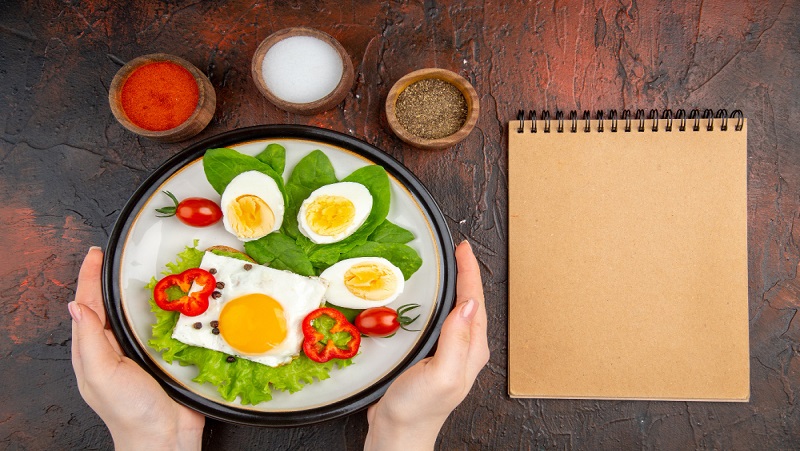
Include protein sources such as eggs, fish, poultry, Greek yogurt, cottage cheese, tofu, beans, or lentils. Protein supports muscle maintenance and can help you feel satisfied after meals.
2. Eat More Fiber-Rich Foods
Vegetables, fruits, beans, lentils, whole grains, nuts, and seeds provide fiber and important nutrients while helping you feel fuller.
3. Don’t Eliminate Carbohydrates
You don’t need to cut carbohydrates to lose weight. Choose minimally processed sources such as whole grains, beans, lentils, vegetables, and whole fruits, while paying attention to portions.
4. Add Strength Training
Resistance exercise can help preserve muscle during weight loss. Aim for strength training at least twice a week, working the major muscle groups.
5. Walk More Throughout the Day
Regular walking can increase daily activity without requiring an intensive workout. Short walks throughout the day can add up, too.
6. Be Mindful of Portions
Even nutritious foods can contribute substantial calories in large portions. Pay particular attention to calorie-dense foods such as oils, nuts, seeds, spreads, and sweets.
7. Get Enough Sleep
Poor sleep can make healthy eating and regular activity harder to maintain. Aim for a consistent sleep schedule and address persistent sleep problems with a healthcare professional.
8. Manage Stress
Stress can affect sleep, eating patterns, and activity levels. Find manageable ways to unwind, such as walking, relaxation exercises, hobbies, or spending time with friends and family.
9. Limit Liquid Calories and Added Sugar
Sugary drinks, sweetened coffee, and other calorie-containing beverages can add calories without providing much fullness. Choose water or unsweetened drinks more often.
10. Focus on Consistency, Not Perfection
One indulgent meal or missed workout won’t undo your progress. Focus on habits you can maintain most of the time rather than trying to follow a perfect routine.
Can You Lose Weight Quickly After 40?
Quick weight loss may sound appealing, but losing weight as fast as possible isn’t necessarily the healthiest approach. Very restrictive diets can make it harder to get enough protein, fiber, vitamins, and minerals, and rapid weight loss may contribute to muscle loss.
For many people, a gradual rate of about 1 to 2 pounds (0.5 to 1 kg) per week is a reasonable goal, although the appropriate rate varies based on factors such as starting weight, health, medications, and treatment plan.
The goal isn’t to lose weight as fast as possible. It’s to lose weight safely while preserving muscle and building habits you can maintain.
How Can You Make Weight Loss Easier After 40?
Weight loss doesn’t have to mean completely restructuring your life. A few practical changes can make healthy habits easier to maintain.
- Plan meals ahead: Having nutritious meals or ingredients ready can reduce reliance on takeout and convenience foods.
- Keep healthy options accessible: Store protein-rich snacks, fruit, and easy-to-prepare foods where they’re easy to reach.
- Break up long periods of sitting: Take short walks or movement breaks throughout the day, particularly if you have a desk-based job.
- Choose activities you enjoy: Walking, swimming, dancing, cycling, or strength training can all support an active lifestyle. The best exercise is one you’ll do consistently.
Can PCOS or the Postpartum Period Affect Weight Loss?
Certain health conditions and life stages can make weight management more complicated. If you have PCOS or are trying to lose weight after pregnancy, your approach may need to be tailored to your needs.
How Does PCOS Affect Weight Loss?
PCOS can be associated with insulin resistance, hormonal changes, and weight gain, which may make weight management more challenging for some women. However, PCOS does not make weight loss impossible.
Regular physical activity, strength training, adequate protein and fiber, and a balanced eating pattern can support weight management. Depending on your health, your healthcare professional may also recommend medication or other treatment.
What Are Safe Postpartum Weight Loss Tips?
After pregnancy, give your body time to recover before focusing on weight loss. Your nutritional and activity needs may also be different if you’re breastfeeding.
Rather than following a restrictive diet, focus on balanced, nutrient-rich meals and gradually return to physical activity when your healthcare professional says it is appropriate.
If you’re unsure when to start losing weight or are concerned about postpartum weight retention, talk with your doctor or another qualified healthcare professional.
When Should You Consider Medical Weight Loss?
Lifestyle changes are an important part of weight management, but they aren’t always enough on their own. If you’ve consistently followed healthy eating and physical activity habits without seeing meaningful progress, it may be worth discussing medical weight-loss options with a healthcare professional.
Medical weight management may be appropriate for some people with overweight or obesity, particularly when excess weight is affecting conditions such as type 2 diabetes, high blood pressure, or sleep apnea.
Depending on your health and individual circumstances, treatment may include nutrition counseling, structured lifestyle support, prescription weight-loss medication, or other medical interventions.
FAQ
Focus on sustainable habits rather than quick fixes. Prioritize protein and fiber-rich foods, stay active, include strength training, get enough sleep, and maintain a manageable calorie deficit.
What Is a Safe Amount of Weight to Lose Each Week?
For many people, losing around 1 to 2 pounds (0.5 to 1 kg) per week is a gradual rate of weight loss. The appropriate rate can vary based on your starting weight, health, medications, and treatment plan.
Can I Lose Weight Without Exercising?
Diet plays an important role in weight loss, so it is possible to lose weight without a formal exercise program. However, physical activity—particularly strength training—can help preserve muscle, improve fitness, and support long-term weight management.
Do Women With PCOS Have More Difficulty Losing Weight?
PCOS can make weight management more challenging for some women because of factors such as insulin resistance and hormonal changes. However, weight loss is possible, and individualized nutrition, physical activity, and medical treatment can help.
Ready to Take the Next Step?
If you’ve been struggling to lose weight despite your best efforts, you don’t have to figure it out alone. At Kinetix, our medical weight-loss program combines personalized guidance with evidence-based treatment to help you work toward sustainable results.