
Key Takeaways
- Keto is a low-carb and high-fat diet, while the carnivore diet is fully animal-based.
- Both diets may support weight loss and blood sugar control with medical guidance.
- Keto is generally more balanced, flexible, and sustainable long-term.
- A carnivore diet may increase risks of nutrient gaps, digestive issues, and high saturated fat intake.
- The best diet is one you can follow consistently while supporting your overall health.
Patients frequently ask me what the difference is between the keto and the carnivore diet in terms of weight loss. The truth is that both approaches can reduce carbohydrate intake dramatically and help some people improve metabolic health. However, they are not the same diet, and in this blog, I’m going to bring this clarity because understanding the differences matters before committing to either.
As a physician specializing in obesity medicine, I have seen patients succeed with multiple nutritional strategies. The key is identifying what is sustainable, nutritionally balanced, and medically appropriate for the individual rather than following online trends blindly.
What is the Keto Diet?
The keto diet, short for ketogenic diet, is a very low-carbohydrate, moderate-protein, high-fat eating plan designed to place the body into a metabolic state called ketosis. In ketosis, the body burns fat for fuel instead of relying primarily on glucose.
A typical keto diet plan includes:
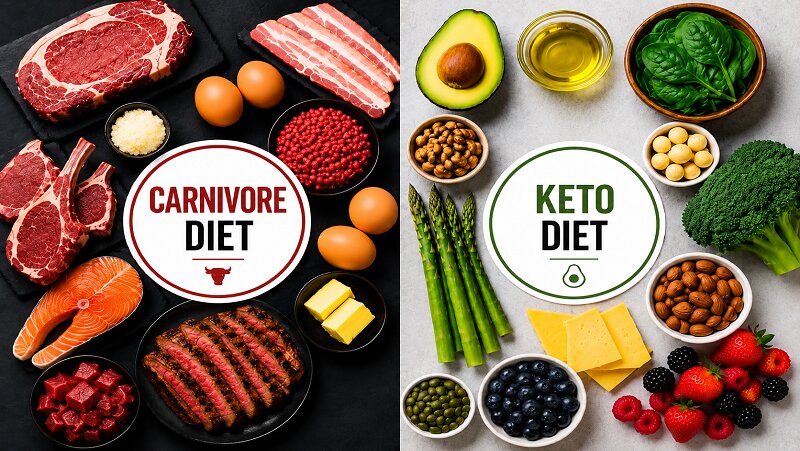
- Healthy fats such as olive oil, avocado, nuts, and seeds
- Moderate protein from fish, poultry, eggs, and meat
- Low-carb vegetables
- Limited carbohydrates, usually under 20–50 grams daily
The keto diet for weight loss has been widely studied and may help reduce hunger, improve insulin sensitivity, and promote fat loss in some individuals. Studies show that ketogenic diets may significantly improve body weight and glycemic control in adults with obesity and type 2 diabetes.
Dieticians often combine the keto diet with intermittent fasting to help maintain ketosis and reduce calorie intake naturally. Some people find this combination improves satiety and eating consistency.
What Is the Carnivore Diet?
The carnivore diet is a stricter dietary approach consisting almost entirely of animal-based foods. Unlike keto, it eliminates:
- Fruits
- Vegetables
- Legumes
- Grains
- Nuts and seeds
Most carnivore diet plans include:
- Beef
- Poultry
- Fish
- Eggs
- Animal fats
- Occasionally dairy products
Because carbohydrates are nearly eliminated, many people naturally enter ketosis on a carnivore diet as well. However, the philosophy behind carnivore eating is different. Advocates often believe plant foods contribute to inflammation or digestive symptoms, though evidence supporting complete plant elimination remains limited.
What is the difference between the keto and Carnivore Diet?
1. Food Variety
The biggest difference between keto and carnivore diet plans is food selection.
A keto diet still allows:
- Low-carb vegetables
- Avocados
- Nuts
- Seeds
- Certain berries
A carnivore diet removes nearly all plant-based foods entirely.
This makes keto generally easier to sustain socially and nutritionally long-term.
2. Nutritional Balance
The keto diet plan can provide fiber, antioxidants, and phytonutrients from vegetables and plant foods.
The carnivore diet may lack:
- Fiber
- Vitamin C
- Certain antioxidants
- Plant polyphenols
While some individuals report symptom improvement on carnivore diets, long-term research on nutritional adequacy remains limited.
3. Sustainability
From a clinical perspective, sustainability matters more than short-term weight loss speed.
Many patients initially lose weight rapidly on both diets due to:
- Reduced calorie intake
- Lower insulin levels
- Water loss associated with carbohydrate restriction
However, highly restrictive eating patterns often become difficult to maintain.
Keto tends to be more flexible and practical long-term compared with carnivore diets, especially for patients balancing work, family life, and social eating.
As I often tell patients, successful weight management is not about perfection; it is about consistency.
4. Effects on Gut Health
Fiber plays an important role in digestive and metabolic health.
Keto diets can still include fiber-rich low-carb vegetables. Carnivore diets contain virtually no dietary fiber, which may contribute to:
- Constipation
- Altered gut microbiome diversity
- Digestive discomfort in some individuals
Keto vs. Carnivore Diet Comparison: Effectiveness for Weight Loss
When comparing the carnivore diet vs. keto for weight loss, both can produce results, but particularly in the short term.
Potential reasons include:
- Appetite suppression due to higher protein intake
- Reduced consumption of processed food
- Lower blood sugar fluctuations
- Increased satiety
However, effectiveness ultimately depends on:
- How much do you adhere
- Nutritional quality
- Calorie balance
- Underlying medical conditions
- Hormonal and metabolic health
| Pro Tip: Don’t Focus Only on Carbs — Think About Metabolic Sustainability
Many people see better long-term results when keto-style eating is combined with sustainable habits like adequate protein intake, resistance training, sleep optimization, and intermittent fasting under medical guidance. Rather than choosing the most restrictive diet possible, focus on an approach you can realistically maintain while supporting overall metabolic health. |
Risks of Keto and Carnivore Diets
Understanding what the difference is between the keto and the carnivore diet also means knowing how their risks differ. While both diets significantly restrict carbohydrates, the level of dietary restriction and nutritional balance can impact long-term sustainability and overall health differently.
Keto Diet Risks
Potential keto diet side effects may include:
- “Keto flu”
- Electrolyte imbalance
- Constipation
- Nutrient deficiencies if poorly planned
Most issues can be minimized with proper hydration, adequate minerals, and a doctor’s guidance.
Carnivore Diet Risks
The carnivore diet may carry additional concerns, such as:
- Lack of fiber
- Micronutrient gaps
- Excess saturated fat intake
- Elevated LDL cholesterol in some individuals
Research on the long-term safety of strict carnivore diets remains extremely limited.
Patients with kidney disease, cardiovascular disease, liver conditions, or a history of eating disorders should avoid highly restrictive diets unless supervised medically.
Keto Diet vs. Carnivore Diet: Which Is Better?
The answer depends on the individual.
A keto diet plan for weight loss may work well for people seeking:
- Improved blood sugar control
- Appetite reduction
- More dietary flexibility
- Sustainable fat loss
Carnivore approaches may temporarily help certain individuals simplify food choices or identify food sensitivities, but they are typically harder to maintain and less nutritionally diverse.
At Kinetix, we focus on helping patients build sustainable metabolic health through individualized care, not extreme dietary rules.
A Smarter Long-Term Approach to Weight Loss
Extreme diets may generate quick results, but sustainable weight loss comes from understanding your metabolism, nutritional needs, and long-term habits. Whether you are exploring keto diet plans or considering carnivore eating, physician-guided care can help you avoid unnecessary risks while improving long-term health outcomes.
Learn more about personalized medical weight loss programs at Kinetix and discover an evidence-based strategy built around your body and goals.
FAQs
1. Is the carnivore diet better than keto for weight loss?
Not necessarily. Both diets can promote weight loss because they reduce carbohydrate intake and may decrease appetite naturally. However, keto diets are generally easier to sustain long-term because they allow more food variety, including vegetables and healthy fats. Sustainability and nutritional balance are often more important than rapid short-term results.
2. What is a keto diet plan designed to do?
A keto diet plan is designed to shift the body into ketosis, where fat becomes the primary fuel source instead of carbohydrates. This may support fat loss, appetite control, and improved blood sugar regulation. Most keto diet plans emphasize healthy fats, moderate protein intake, and minimal carbohydrates while still including nutrient-dense plant foods.
3. Can keto and carnivore diets improve blood sugar levels?
Research suggests low-carbohydrate diets may help improve insulin sensitivity and reduce blood glucose levels in some individuals, especially those with obesity or type 2 diabetes. However, dietary changes should be medically supervised for people taking diabetes medications because blood sugar levels can change rapidly with carbohydrate restriction.
4. Is the carnivore diet safe in the long term?
Long-term research on strict carnivore diets is limited. While some individuals report symptom improvement, concerns remain regarding fiber deficiency, micronutrient gaps, cardiovascular risk markers, and gut microbiome health. Most physicians recommend caution with highly restrictive diets unless there is medical supervision and ongoing monitoring.
5. Which diet is easier to maintain long-term?
For most people, keto is more sustainable because it allows greater dietary flexibility and nutrient diversity. A carnivore diet eliminates many foods that are commonly part of social meals and balanced nutrition. Long-term success often depends less on diet trends and more on consistency, lifestyle compatibility, and medical guidance.